Residents asked not to feed wild birds as council monitors Bird Flu along River Thames
- Two confirmed cases of Avian Influenza in Caversham
- Risk to humans is low; residents urged to follow safety advice
- Report dead or sick wildlife to Swan Support
READING Borough Council is aware of confirmed cases of Avian Influenza (Bird Flu) in wild birds along sections of the River Thames in Caversham.
The council is closely monitoring areas around Rivermead Park, Caversham Bridge, and Christchurch Meadows, and is working with the Animal and Plant Health Agency (APHA) and its approved wildlife partner, Swan Support, to assess and respond to reports of affected birds.
The current risk of avian influenza to human health remains very low. The UK Health Security Agency continues to monitor the situation closely and remains vigilant for any evidence of changes in the level of risk.
Most people are not at risk, provided they follow simple precautions:
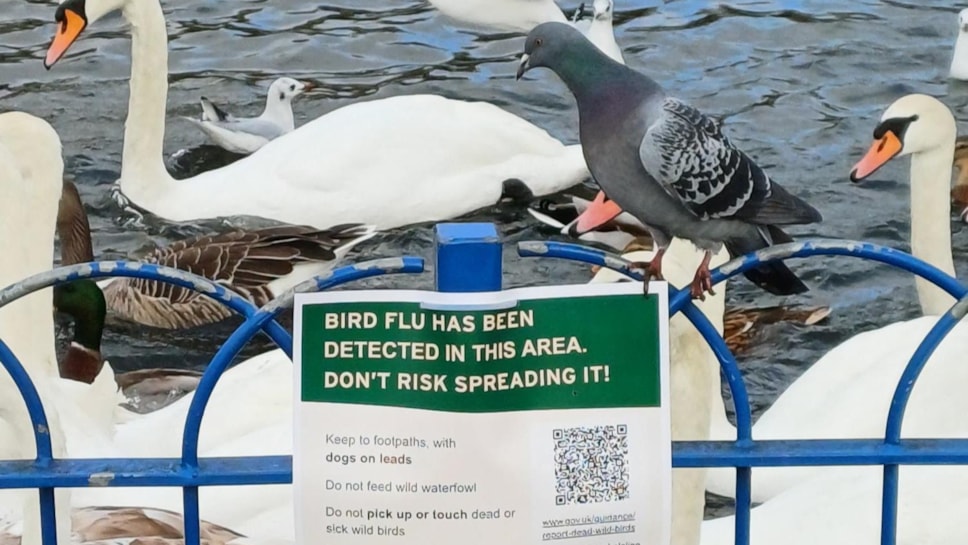
- Do not touch or pick up dead or sick wild birds,
- Do not feed wild birds,
- Keep dogs under close control and on leads where advised,
- Avoid contact with wild bird droppings and feathers,
- Wash hands thoroughly after visiting riverside areas,
- Report dead wild birds to Swan Support, who can collect them, on 07968 868172
Reports can also be made via the Government reporting service at: https://www.gov.uk/guidance/report-dead-wild-birds, or the DEFRA helpline: 03459 33 55 77. Every report helps build a more accurate local picture of how flu is spreading through local wildlife.
All bird keepers should continue to take steps to prevent bird flu, stop it from spreading, and stay vigilant for signs of disease. For advice, visit https://www.gov.uk/guidance/bird-flu-avian-influenza-housing-your-birds-safely or contact council officers on 0118 937 3787.
Cllr Finn McGoldrick, Lead Councillor for Environmental Services and Community Safety, said:
"While this news may be concerning to residents, please be assured expert advice is that the risk to the public remains very low and infection in humans is extremely unlikely. Residents can help contain this risk by following the advice not to feed wild birds and keep dogs under close control”
“Council officers are working closely with the Animal and Plant Health Agency and partners to monitor the situation, remove birds where appropriate, and ensure residents have the latest information they need to stay safe and help prevent the spread of the disease.
“If you do find a dead bird in a public area, do not touch it; please report to Swan Support, via the Gov.uk website, or by calling the DEFRA helpline.”
ENDS