January food waste recycling hits record high in Reading as campaign drives 15% increase in two months
- Food recycling in Reading for January broke all previous records
- Residents thanked for their efforts and encouraged to continue or join in
- Results come after a borough-wide campaign to drive participation
Food waste recycling in Reading has hit a record high as Reading Council and re3’s call for residents to recycle more continues to show excellent results.
January was a record-breaking month for food waste recycling in Reading, with 708 tonnes collected. This is the highest monthly total since the service was first introduced in 2021.
In mid-November Reading Council and re3 launched a borough-wide campaign to encourage residents to recycle more food and keep it out of their general waste bins. Impressive results have followed the campaign, with the borough recording a 12% increase in food waste collected in January, and combined with December’s increase, Reading’s food waste recycling has risen by 15% compared with the previous year.
The borough-wide behavioural change campaign has been reminding residents to use their weekly food waste collections and highlighting the benefits to them and the environment. The campaign included STOP sign styled bin stickers, leaflets, free caddy liners, radio adverts and bus screen messaging to remind residents to avoid recyclable food items slipping into their general waste by mistake, and to encourage residents who are not making use of their weekly kerbside food waste collections that it is never too late to get started.
The continued momentum into January shows that many residents are turning those reminders into lasting habits, helping reduce the amount of food going into general waste bins and lowering disposal costs.
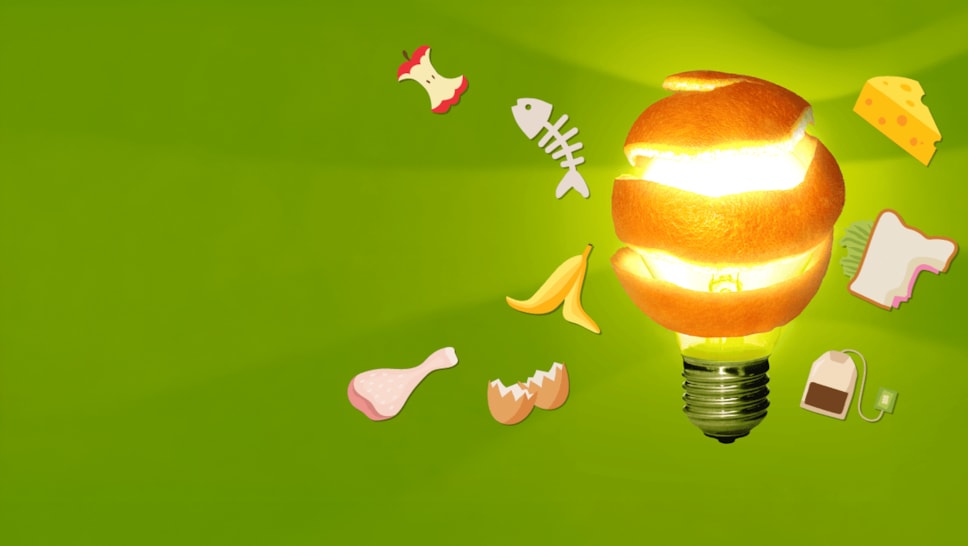
Food waste recycling brings important environmental benefits. When food waste is sent to landfill, it breaks down and releases methane, a powerful greenhouse gas that contributes significantly to climate change. When recycled instead, food waste can create energy that can return power to the grid. Recycling just one caddy of food waste can create enough energy to power a light bulb for up to 24 hours.
Karen Rowland, Lead Councillor for Environmental Services and Community Safety, said:
“We are delighted with these results and thrilled the momentum from our food recycling campaign is being maintained. We knew Reading residents had it in them to hit a new record total with food recycling, and they’ve done just that.
“I’d like to say a huge thanks to all the residents who have contributed to this success. If you were re-inspired to recycle or if you just decided to renew your efforts, then bravo to you for thinking about your impact on the environment. Every chicken bone or pile of vegetable scrapings that you could have thrown in the rubbish but chose not to is really making that difference. You’re doing really great things in helping the environment, generating energy and cutting down on landfill and its associated costs.
“I tell everyone it is never too late to join in! If you’re not currently recycling your food waste, please order a caddy from us, get some free liners, and be part of Reading’s latest success story by recycling your food waste”.
Taking part is simple. Free caddy liners were provided as part of the campaign, and residents can continue to collect free liners from any Reading library. Alternatively, residents can use any liners they already have at home, such as bread bags, carrier bags or store purchased bags, making it easy to recycle food waste without extra cost.
Food waste recycling also means cleaner, less smelly grey bins, because food waste is collected weekly. Residents who are missing a food waste caddy or outdoor food bin, or who need a replacement, can order one free of charge at www.reading.gov.uk/orderacaddy.