Doorstep glass collections set to be introduced in Reading
- Kerbside glass collections set to be approved next week
- Service would begin in April 2027
- Residents encouraged to keep using Reading's 40+ bottle banks until then
Reading residents will be benefitting from the fortnightly collection of glass recycling from their doorstep, if proposals are agreed next week.
The Council initiated the vehicle procurement process needed to run the service directly after Policy Committee approval in July this year. However, like many other councils across the country Reading has found supply chain issues affecting service start-up dates. Scheduled now to begin in April 2027, the new glass recycling collections will begin alongside the introduction of soft plastic recycling from residents’ doorsteps, which has already been piloted in parts of the borough.
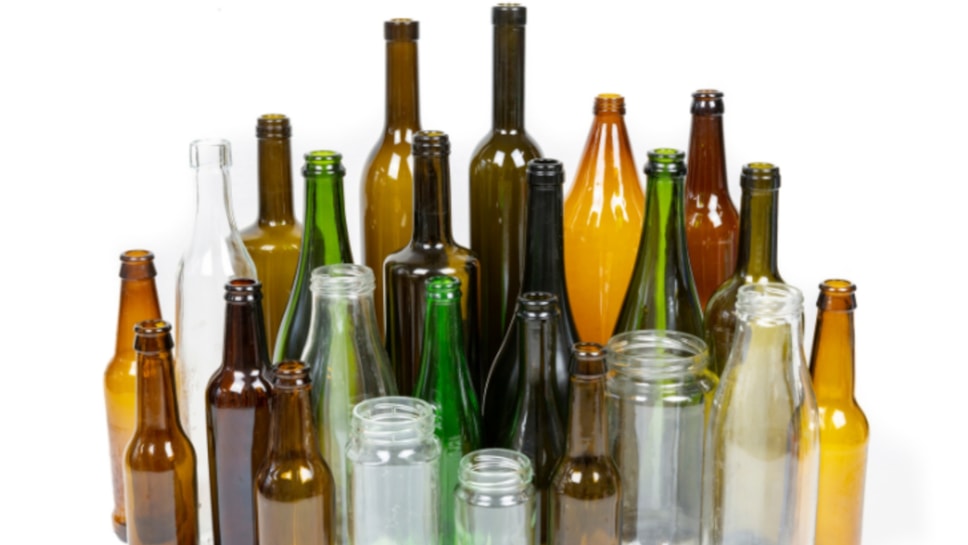
Before glass collections begin, most residents across the borough will be provided with a 55 litre kerbside box for it, which will be emptied fortnightly. Communal properties will be provided with larger 240 litre bins, and alternatives such as suitable sacks will be considered for properties with extremely limited capacity for waste storage.
The likely introduction of glass collections was factored into the successful rescheduling of waste collection rounds rolled out earlier this year. This means that when glass collections begin, they will take place on the same day as garden waste collections, but on alternate weeks.
It is hoped the introduction of doorstep recycling for glass and soft plastics will help to further boost Reading’s recycling rate, which rose from 32% to 50% following the introduction of doorstep food waste recycling in 2021.
Reading’s enhanced service proposals reflect the Government’s Simpler Recycling rules, which aim to bring kerbside collections of mixed recyclables, food waste, glass and garden waste to all households.
That nationwide Simpler Recycling plan supports Reading Borough Council’s strategic aims of reducing waste to landfill and associated greenhouse gas emissions, promoting responsible resource use, and reducing environmental impact.
Residents are currently able to recycle their glass at over 40 bottle bank sites around the borough, the volumes of which continue to compare admirably to many other councils with kerbside glass collections already in place. Glass recycling has key environmental benefits not only in reducing pressure on landfill, but because 30% less energy is used in glass production from recycled product than making new glass from raw materials.
Karen Rowland, Lead Councillor for Environmental Services and Community Safety, said:
“We know that the introduction of doorstep glass recycling in Reading has been highly anticipated by many. The Council shares that ambition and is energised to bring the service to fruition.
“The capacity has been established within our new collection rounds introduced earlier this year but a great deal of work still needs to go into delivering the new service. Specialised vehicles are required to implement this work, and because many councils are working towards the same goal of implementing glass and food recycling, supply chains across the market are understandably stretched.
“In the meantime, we encourage you to keep doing the great job you already do in recycling your glass at Reading’s 40+ bottle bank sites, as we work at speed to save you that journey in the future.”
Notes to editors
You can read the report on the introduction of kerbside glass collections, going to Policy Committee on 17 December, here: Simpler Recycling - Glass Waste Collections.pdf