Reading Museum Secures Heritage Fund Grant to Reimagine Roman Britain for the 21st Century
- Reading Museum has been awarded £714,785 from The National Lottery Heritage Fund to deliver the Roman Britain – Reimagined in Reading project.
The grant will enable the town’s museum to redisplay nationally significant Iron Age and Roman collections from Silchester (the Roman town of Calleva Atrebatum) and its hinterland in a new, accessible, and engaging gallery, supported by an extensive programme of community activities, volunteering opportunities, and learning resources.
The Heritage Fund grant represents a major investment in Reading’s already vibrant cultural life and heritage offer, ensuring the stories of Roman Britain and its connections to Reading are celebrated and shared for generations to come.
Shaped thanks to positive feedback from community, partners, visitors and stakeholders an exciting new Discovering Calleva Gallery will be created, a vibrant and immersive space that will showcase the extraordinary archaeological finds from Silchester, one of the most significant Roman towns in Britain.
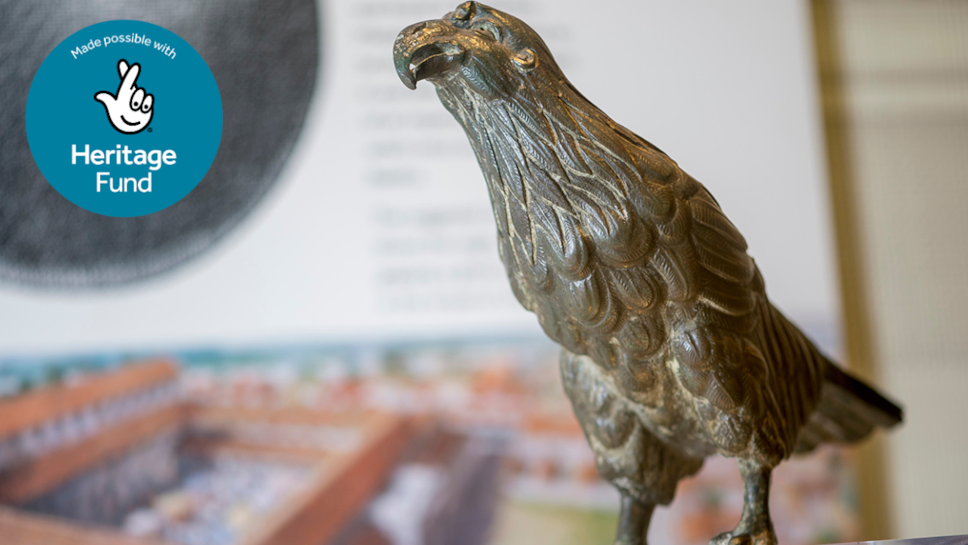
The new gallery will combine innovative design with inclusive features, making the collections more accessible, interactive, and inspiring for all audiences. Visitors will encounter iconic objects such as the Silchester Eagle and one of only two Roman wooden water pumps in Britain, displayed in ways that bring their stories vividly to life.

The project marks an exciting new chapter for Reading Museum, introducing a fresh interpretation based on decades of groundbreaking research by the University of Reading, offering visitors an engaging experience that reflects the latest understanding of life in Roman Britain. It promises to completely transform the visitor experience at Reading Museum.
Highlights include:
- New Calleva Gallery: An immersive environment featuring tactile experiences, evocative sounds and smells, and interactives shaped by community consultation. Visitors will encounter recreated Roman spaces, 3D-printed handling objects, and innovative interpretation that connects ancient Calleva to modern Reading.
- Interpretation of 1,000 finds: treasures such as the Silchester Eagle, the Iron Age Silchester Horse, and the early Christian Caversham Font will be redisplayed, and even more finds will be accessible through online resources.
- Community Engagement Programme: Four themed strands; Telling the Story of the Romans in Reading, Animating the Gallery, Creative Calleva, and Engaging Schools - will deliver activities from Roman-inspired Rhymetime sessions for under-5s to artist residencies, craft workshops, and a Roman Festival to celebrate the gallery’s opening.
- Expanded Learning Opportunities: Updated school sessions aligned with the national curriculum, refreshed loans boxes, and online resources will deepen engagement with Roman heritage for young learners.
- Volunteering and Skills Development: 52 volunteer roles and two paid internships will provide opportunities for people from diverse backgrounds to gain experience in heritage, interpretation, and community engagement.

Community voices have been central to shaping the project. During the development phase, Reading Museum consulted widely with a variety of audiences, including low-income families, different ethnic groups, neurodivergent people, and those with visual impairments, alongside schools, volunteers, and local stakeholders. People were clear they wanted an experience, not just text panels. They asked for sensory interpretation, tactile objects, and stories that resonate with modern life.
The new gallery will reflect these aspirations, drawing powerful parallels between Calleva’s cultural and ethnic diversity and Reading’s contemporary communities.
The success of this project is built on strong partnerships and community support. Alongside the Heritage Fund grant, Reading Museum has secured £236,808 in cash contributions and £28,000 in non-cash support, including volunteer time and in-kind expertise.
Key supporters include:
- The Earley Charity awarded a grant of £94,000.
- Graham and Joanna Barker who have a passion for Roman archaeology, have pledged £25,000.
- Friends of Reading Museum, £15,000, increasing their commitment from the development phase.
Academic partners at the University of Reading will provide specialist knowledge and content, while English Heritage, Hampshire Cultural Trust, and local organisations such as Jelly Arts, Care4Calais, Museums Partnership Reading, Autism Berkshire, and Berkshire Vision will help deliver the activity programme.
The University of Reading’s archaeology department led by Professor Mike Fulford is completing the final stage of publishing 50 years of pioneering research at Silchester, providing an exceptional opportunity to share the latest discoveries and insights with the public. Their expertise will inform a fresh interpretation that brings the story of Roman Calleva vividly to life.

Cllr Adele Barnett-Ward, Reading’s Lead Councillor for Leisure and Culture, said “This is a landmark moment for Reading, building on our already vibrant cultural and historical offer.
Thanks to the incredible support of The National Lottery Heritage Fund, and to the generosity of our partners, we can reimagine and bring to life one of the most important chapters in our history for a new generation.
The Roman Britain – Reimagined project will not only showcase world-class archaeological treasures from Silchester but will also create an inclusive, interactive experience that reflects the diversity and vibrancy of our community.”

Nick Holliday from the London & South Committee at The National Lottery Heritage Fund, said: “It’s fantastic to be here today to celebrate this fantastic project. Thanks to National Lottery players, we’re proud to support Reading Museum in transforming how the story of Roman Britain is shared. This project will bring the nationally important Silchester collections to life in exciting and inclusive ways, ensuring that people of all ages and backgrounds can access and connect with this remarkable heritage for years to come.”
Reading Museum looks forward to welcoming visitors to the new Calleva Gallery in 2028, following a comprehensive programme of design, construction, and community engagement.
Notes to editors
About The National Lottery Heritage Fund
Our vision is for heritage to be valued, cared for and sustained for everyone, now and in the future. That’s why as the largest funder for the UK’s heritage we are dedicated to supporting projects that connect people and communities to heritage, as set out in our strategic plan, Heritage 2033. Heritage can be anything from the past that people value and want to pass on to future generations. We believe in the power of heritage to ignite the imagination, offer joy and inspiration, and to build pride in place and connection to the past.
Over the next 10 years, we aim to invest £3.6billion raised for good causes by National Lottery players to make a decisive difference for people, places and communities.
Follow @HeritageFundUK on Twitter/X, Facebook and Instagram and use #NationalLottery #HeritageFund
Photos
Photo 1 Silchester Eagle
Photos 2 and 3 Artist impressions
Photo 4 Professor Mike Fulford (University of Reading), Maddie Ding (Museums Partnership Reading), Nick Holliday (The National Lottery Heritage Fund Committee Member), Lucy Griffin (Visitor Services Liaison Officer Reading Museum), Guja Bandini (Learning Officer Reading Museum), Cllr Adele Barnett-Ward, Reading’s Lead Councillor for Leisure and Culture, Anna Jones (Museums Partnership Reading), Donna Pentelow (Assistant Director of Culture, Reading Borough Council), Evelyn Williams (Friends of Reading Museum), Christelle Beaupoux (Culture and Heritage Projects Manager, Reading Borough Council), Matthew Williams (Reading Museum Manager), Angela Houghton (Collection Management Curator Reading Museum).
Photo 5 Reading Museum Officers with archaeological finds from Silchester