Council encourages food recycling with free food waste liners for households
- 55,000 households to receive free food waste caddy liners
- Council looks to build on 14% increase in food waste collected compared to last year
- Residents should consider household waste bin a 'last resort'
Reading Borough Council is delivering free food waste caddy liners to around 55,000 households across the borough to help residents recycle more food waste and reduce the amount going into general rubbish bins.
Reading is already a leader in recycling, with the amount of food waste diverted from landfill up by 876 tonnes since December 2025.
Over the coming weeks, residents will receive a free supply of food waste liners, along with information explaining what can be placed in their food waste caddy.
The amount of food waste collected across Reading has risen by 14% so far this year, compared to the same period last year. At the same time, we have seen a reduction in general rubbish, showing that more food waste is being diverted from rubbish bins and recycled instead.
By diverting more food waste away from general rubbish bins, the Council is able to cut carbon emissions, reduce disposal costs and also make savings that can be reinvested into local services.
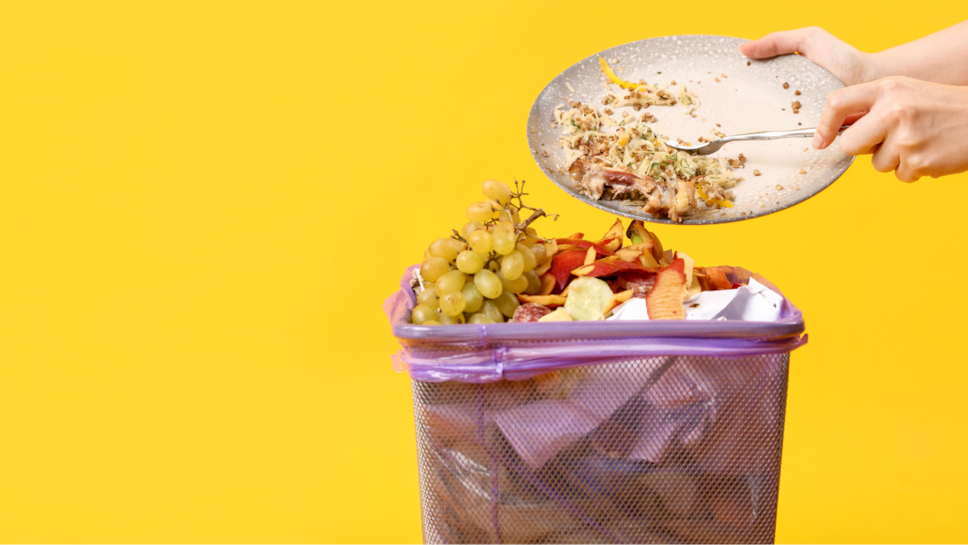
Many everyday food items can be recycled through the weekly food waste collection service, including fruit and vegetable peelings, leftovers, tea bags, coffee grounds and out-of-date food.
Cllr Finn McGoldrick, Reading Borough Council's Lead Councillor for Climate Strategy and Transport, said:
“When it comes to recycling, we can all make little changes that make a big difference. In Reading, we want to make it as easy as possible for residents to recycle, and that is why we are delivering more free food waste liners to households.
“As we’ve said before, we’d like everyone to consider their household waste bin their ‘last resort’ bin, and that starts by making use of the food and recycling bins, wherever possible.
“It's a simple way to help more residents play their part in reducing waste, cutting emissions and creating a greener Reading.”